
From Coconut Shell to Charcoal: Understanding the Production Process
- 18 Sep 2026
- Education
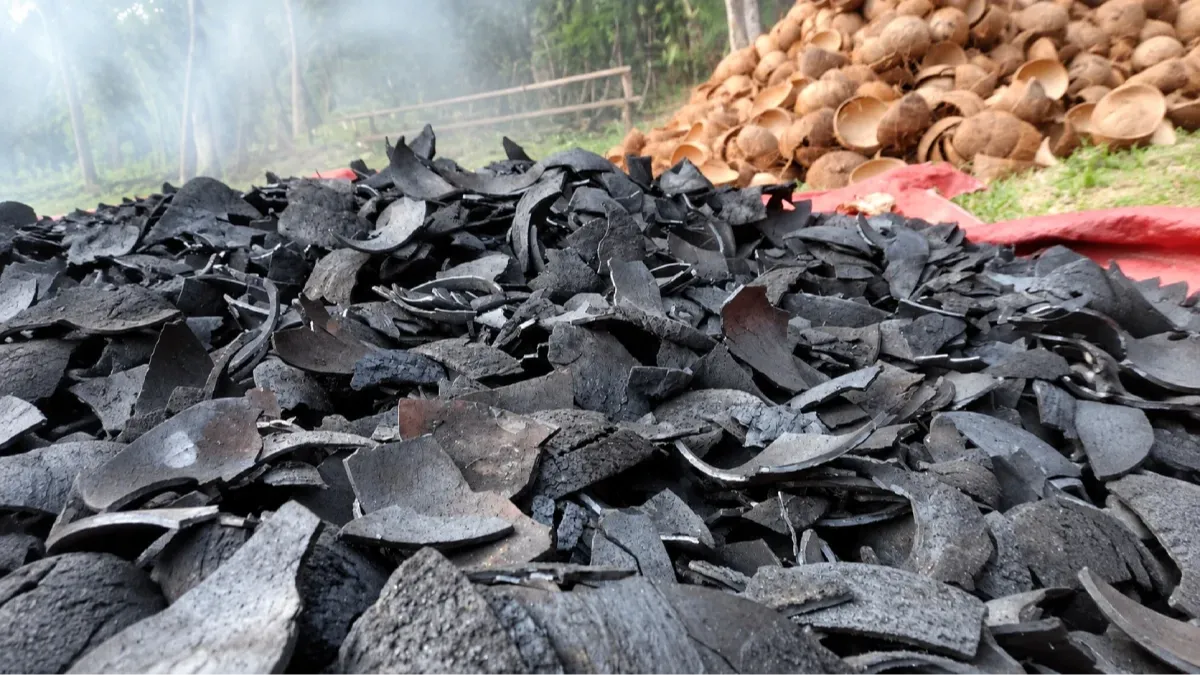
Photo by CocoCharcoal Universal
Author: CocoCharcoal Universal
Reading Time: 2 min read
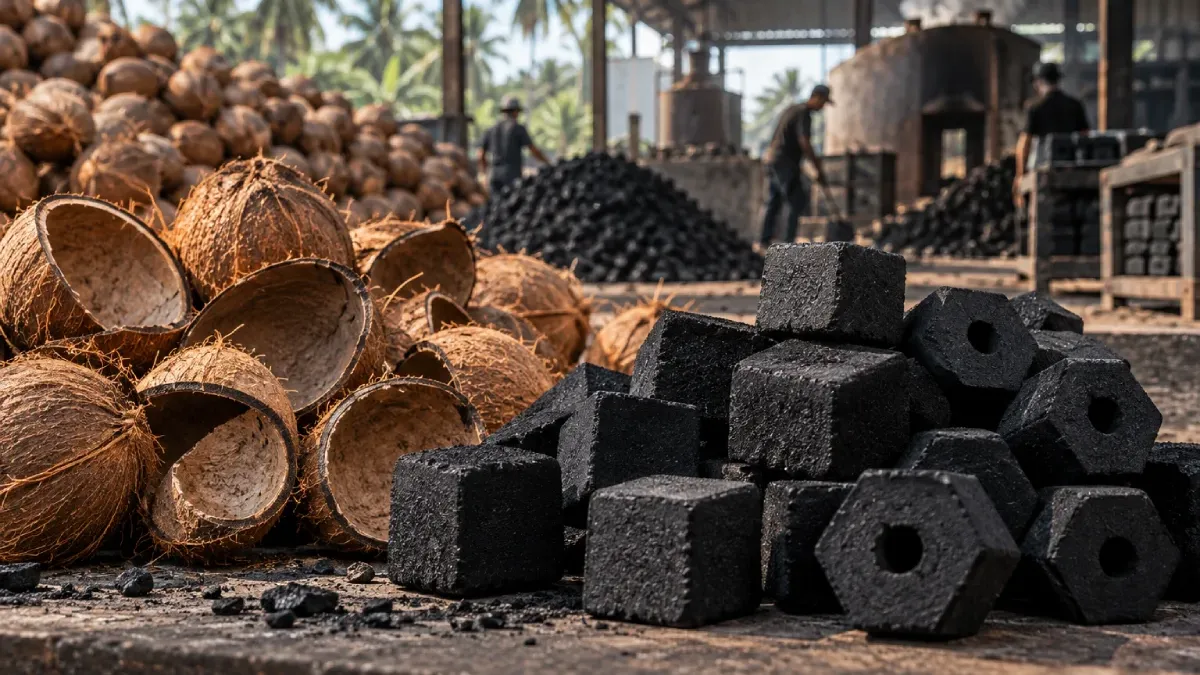
Coconut shell charcoal begins with a simple agricultural by-product: coconut shells. Through a controlled production process, these shells can be transformed into charcoal for use as a raw material for briquettes and other charcoal applications.
The process begins with the collection and selection of coconut shells. Suitable shells are cleaned and prepared before being placed into a carbonization system. Proper raw material preparation helps maintain consistency throughout the production process.
The next stage is carbonization, where the coconut shells are heated under controlled conditions with limited oxygen. This process removes moisture and volatile components while converting the shells into carbon-rich charcoal.
After carbonization, the resulting charcoal is cooled and sorted. Depending on the intended application, it may be processed further through crushing, screening, and other preparation stages before being used directly or converted into charcoal briquettes.
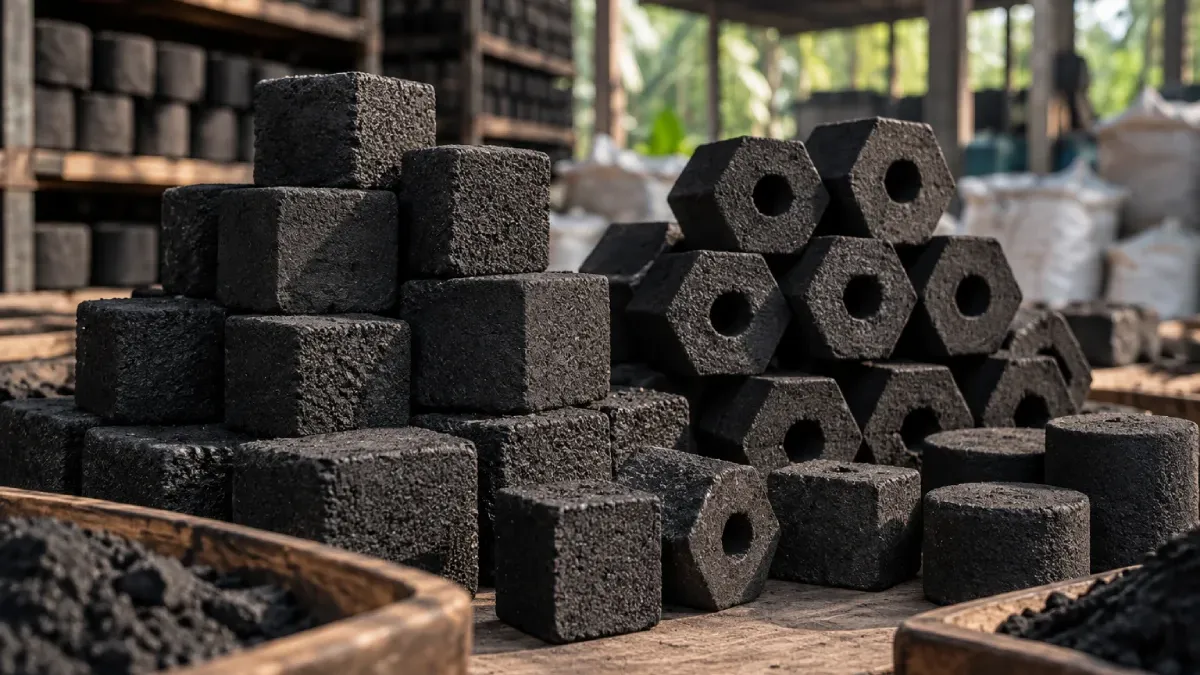
For briquette production, the processed charcoal is typically ground into a suitable particle size, mixed with a binder, and compressed into the required shape and size. The briquettes are then dried and prepared for packaging.
Throughout the process, product quality can be evaluated through parameters such as moisture, ash content, fixed carbon, size, density, and burning characteristics. These factors help determine whether the charcoal is suitable for specific customer requirements and applications.
At CocoCharcoal Universal, we focus on sourcing Indonesian coconut charcoal products with attention to product specifications, consistency, and customer requirements.
Looking for Indonesian coconut charcoal for your business? Contact us to discuss your requirements.
Other Article
 Global Trading
 Global Trading
 Education
 Education
 Tips & Tricks