
Sourcing Shisha Charcoal from Indonesia: Wholesaler Guide
- 01 Oct 2026
- Education

If you're sourcing shisha charcoal for wholesale distribution, you already know that most of the premium coconut shell charcoal on the global market comes from Indonesia. What's less straightforward is how to evaluate a supplier, what specifications to request, and how to structure that first conversation with a potential export partner.
This guide is written for importers, distributors, and wholesale buyers who are in the process of finding or evaluating a shisha charcoal supplier in Indonesia, not for those who are just learning what shisha charcoal is.
Why Indonesia Is the Primary Source for Coconut Shisha Charcoal
Indonesia's position as the dominant supplier of coconut shell charcoal comes down to raw material availability. The country has one of the largest coconut plantations in the world, which means a consistent, year-round supply of coconut shells, the key raw material for premium shisha charcoal briquettes.
Beyond availability, the Indonesian charcoal manufacturing sector has matured considerably. Production facilities now use controlled carbonization processes, mechanical mixing and compression, and temperature-regulated drying. The result is a product that can be manufactured to consistent technical specifications, which matters a great deal for distributors selling to shisha lounges or end consumers who expect the same burn experience every time.
This combination of raw material quality and production infrastructure is why buyers from the Middle East, Europe, and Asia continue to source from Indonesian suppliers rather than alternative origins.
What Specifications to Request from an Indonesian Supplier
Before you contact a supplier, you need to know which specifications are non-negotiable for your market. Here are the key technical parameters for shisha charcoal briquettes and why each matters:
Ash Content
Ash content is the most commercially important specification for shisha charcoal. Lower ash means less residue during use, which is a visible quality indicator for the end user. For premium shisha charcoal, buyers typically look for ash content at or below 2.5%. Some premium-tier products achieve lower figures, but this should be validated against a certificate of analysis, not just taken from a product description.
Fixed Carbon
Fixed carbon directly affects heat output and burn consistency. For shisha applications, a fixed carbon content above 79% is considered suitable for consistent performance. Higher fixed carbon generally means more stable heat across the session.
Moisture Content
Moisture content affects both lightability and burn behavior. Charcoal with higher moisture is harder to light and produces more smoke before settling. For shisha charcoal, moisture content in the range of 5–6% is considered appropriate for standard export conditions. Keep in mind that moisture can change during shipping if packaging is insufficient, this is worth discussing with your supplier.
Size and Shape
Shisha charcoal is available in multiple shapes: cube, hexagonal, and finger formats are the most common. Size matters too, 22mm to 27mm is a typical range for shisha cube formats. Your choice should be based on your target market's preference and the hookah models your customers use.
Burn Time
Burn time is not always listed as a specification in the same way as ash or moisture content. It is typically validated through sample testing rather than a document. A good burn time for premium shisha charcoal is generally above 60 minutes under standard conditions, though the exact number will depend on product grade and the hookah setup used.
How to Evaluate Product Quality Before Placing an Order
Reading a product description is not the same as evaluating a supplier. Here is a practical approach:
Request a certificate of analysis (COA). A credible Indonesian supplier should be able to provide independent laboratory test results for their product. This document will confirm ash content, fixed carbon, moisture, volatile matter, and other parameters. Verify that the COA comes from a recognized testing body, not an internal company document.
Request physical samples before ordering. Any serious wholesale inquiry should begin with a sample evaluation. Test the samples in conditions that reflect actual use, light them in a hookah and assess heat consistency, ash behavior, smell, and whether the briquette cracks or crumbles during the session.
Check production documentation. A supplier who can show consistent quality should have batch records or production documentation that demonstrates they manufacture to a defined specification, not to a variable output.
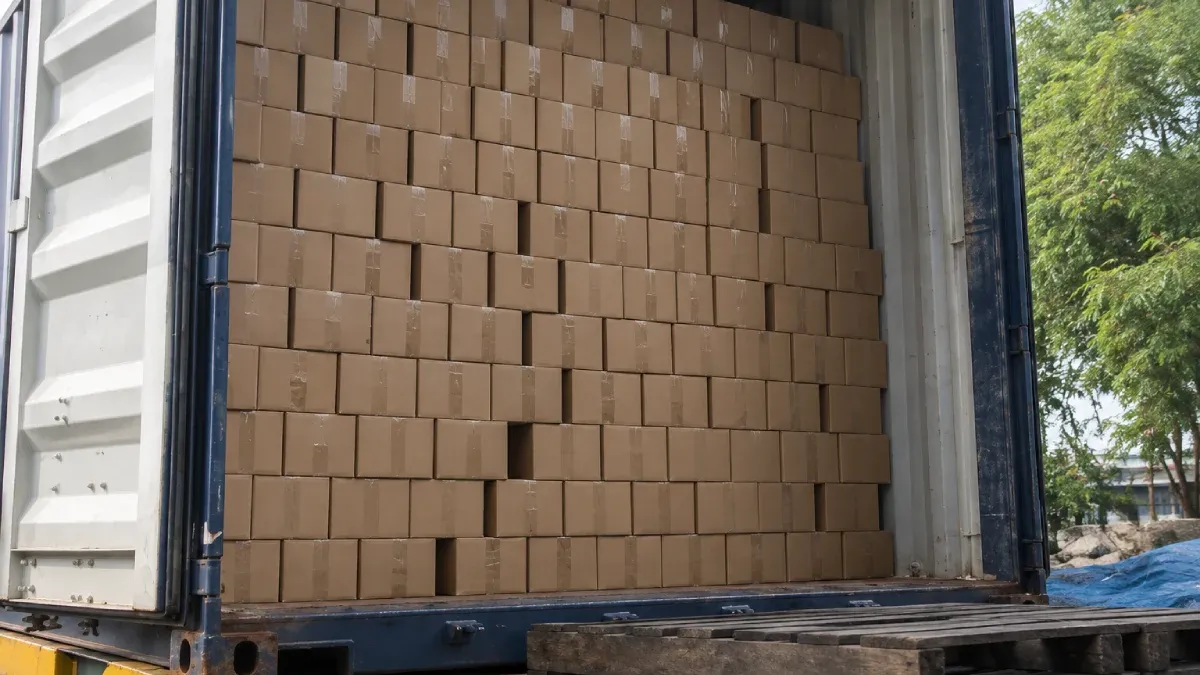
Evaluate packaging. Packaging quality matters for moisture protection during ocean shipping. Ask what packaging configurations are available and how the product is protected during a container shipment to your region.
Assess communication quality. How a supplier communicates during the inquiry stage tells you a lot about how they will handle issues after you place an order. A responsive, specific reply to your technical questions is a better signal than a polished website.
Red Flags When Evaluating a Shisha Charcoal Supplier
Not every supplier presenting themselves online as an Indonesian manufacturer is operating a production facility. Some are trading companies with limited control over product consistency. Here are warning signs worth taking seriously:
- Unable to provide independent laboratory results when asked
- Vague or inconsistent specifications across their product descriptions
- Reluctant to discuss the origin of their raw coconut shell charcoal
- No physical address or verifiable company registration information
- Pressure to place a large order before samples have been evaluated
- Specifications that seem unusually favorable compared to standard industry ranges
None of these signals is definitive on its own, but a pattern of them suggests you should continue evaluating before committing to a commercial relationship.
Understanding Packaging Options for Bulk Shisha Charcoal
Packaging matters at two levels: retail presentation and export protection.
For retail distribution, shisha charcoal is typically packaged in inner boxes ranging from 0.5 kg to 1 kg, then assembled into master cartons of 10 kg or 20 kg. If you are distributing under your own brand, you will need to clarify whether the supplier can accommodate custom packaging and what the lead time and minimum requirements are for that.
For export protection, the master cartons must be palletized and loaded into containers in a way that minimizes moisture exposure during transit. The ocean journey from Indonesian ports to the Middle East or Europe takes several weeks, and inadequately protected charcoal can arrive with elevated moisture content.
When discussing your first order with a supplier, ask specifically about:
- Available inner box sizes and master carton configurations
- Whether standard or custom packaging is offered
- How containers are loaded and protected for long-haul shipping
How to Communicate Your Requirements to an Indonesian Supplier
A clear, specific first inquiry gets a better response than a generic one. When you reach out to a potential shisha charcoal supplier in Indonesia, provide the following information upfront:
- Product type: Specify shisha/hookah charcoal briquettes, not general coconut charcoal.
- Shape and size preference: Cube, hexagonal, or finger; your preferred dimensions.
- Target specification: Your required ash content, fixed carbon, and moisture range.
- Quantity: An estimated order volume and preferred shipping frequency.
- Destination port: The port of destination for your shipments.
- Documentation requirements: Any specific certifications or documentation your market requires.
Providing this information at the start of the conversation allows the supplier to give you a meaningful response rather than a generic product description. It also signals that you are a serious buyer, which tends to result in more detailed and accurate information in return.
Getting Started: Requesting Specifications and Samples
If you have identified a potential supplier but have not yet made contact, the most practical first step is to request their product specifications and ask about the sample process.
At CocoCharcoal Universal, we supply shisha charcoal briquettes produced from 100% selected coconut shell charcoal. Our product specifications include ash content of maximum 2.5%, fixed carbon above 79%, and moisture content of approximately 5–6%, in sizes from 22mm to 27mm. We work with buyers across international markets and support the inquiry process from initial specification discussion through to order coordination.
See our full product specifications and get in touch with our team.
Conclusion
Sourcing shisha charcoal from Indonesia is not complicated, but it does require a clear evaluation process. Know what specifications your market requires, ask for documentation before you commit to an order, test samples in realistic conditions, and pay attention to how a supplier communicates.
The most important step is to start the conversation with your requirements clearly defined. A supplier who can respond with accurate specifications and a clear process for sample fulfillment is demonstrating the kind of reliability that matters for a long-term supply relationship.
Ready to discuss your shisha charcoal requirements? Request our product specification sheet and our team will follow up with the relevant details for your inquiry.
Other Article
 Global Trading
Why Importers Choose Indonesian Coconut Charcoal
- 18 Sep 2026
 Tips & Tricks
 Global Trading
 Global Trading
 Education