
Why Indonesian Coconut Shell Shisha Charcoal Is Superior
- 03 Oct 2026
- Education
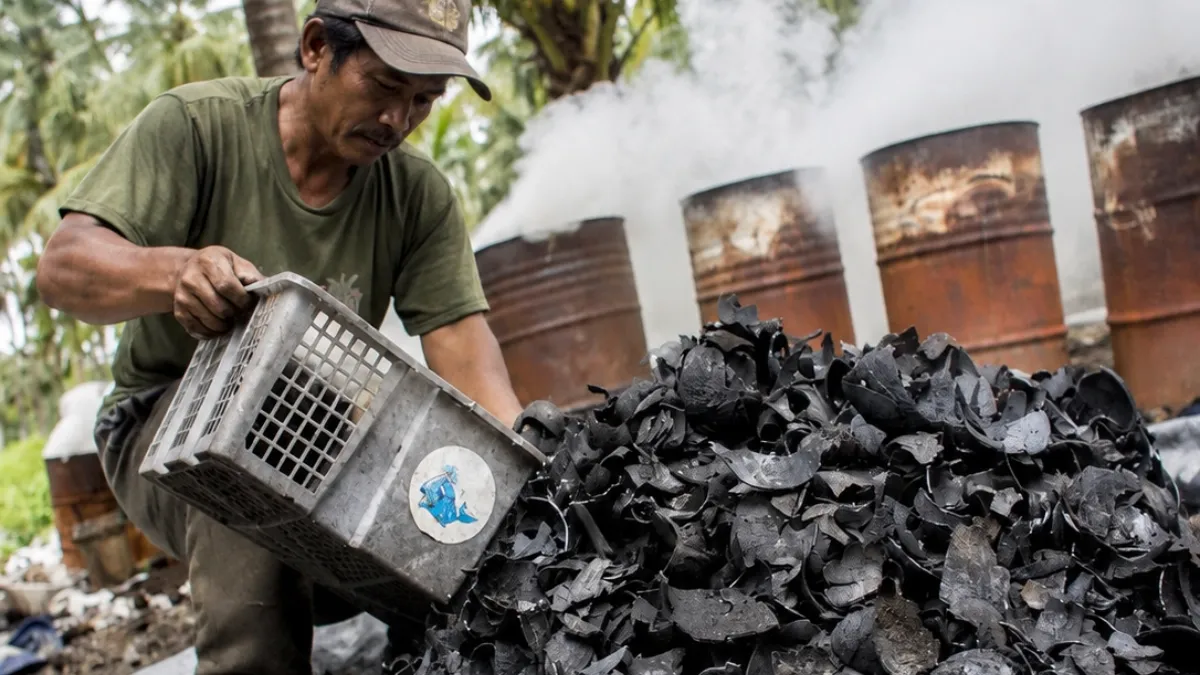
If you've been sourcing shisha charcoal for a while, you're likely aware that coconut shell is the top choice for the premium market. However, it can be tricky to tell which suppliers are genuinely providing consistent, high-quality coconut charcoal and which ones are merely claiming to do so without the product to support their assertions.
This article is aimed at buyers who have moved beyond the basics. You understand what coconut shell shisha charcoal is and why it's favored. Now, your focus is on determining which supplier and origin can consistently meet your market's expectations.
Indonesia plays a unique role in the global supply chain for this product. This guide will help you understand why that is and how it impacts your purchasing decisions.
Why Coconut Shell Is the Preferred Raw Material for Shisha Charcoal
The selection of raw materials plays a crucial role in determining the quality of shisha charcoal. Coconut shell, in particular, possesses unique physical and chemical characteristics that make it a superior choice compared to wood-based options.
Coconut shell is a dense and sturdy material with a naturally high carbon content. When it undergoes proper carbonization, it yields charcoal that has high fixed carbon, low ash, minimal volatile matter, and a relatively neutral smell when burned. These qualities are essential for shisha use, as they ensure consistent heat, minimal residue, and no disruption to the flavor of the tobacco or herbal mix being smoked.
In contrast, wood-based charcoal often results in more ash, a stronger odor during burning, and less reliable heat output due to the variability in density and composition of wood compared to coconut shell. Additionally, quick-lighting charcoal, which contains chemical accelerants, emits an even more pronounced odor and is generally regarded as a lower-quality option in markets where natural charcoal is available.
For those looking to establish a distribution business centered around a high-quality product, coconut shell charcoal is not merely a choice; it has become a standard expectation among customers in more developed markets.
Indonesia's Position in the Global Coconut Charcoal Supply Chain
Coconut shell charcoal is made in various countries where coconuts are commonly grown. Indonesia stands out as a key supplier due to several factors that extend beyond just having a plentiful supply of coconuts.
One major factor is the volume and consistency of raw materials. As one of the largest coconut producers globally, Indonesia ensures a steady supply of raw materials for charcoal production throughout the year. Unlike smaller coconut-producing nations, Indonesia's production is less affected by seasonal changes, which provides buyers with a more reliable source of charcoal.
Another important aspect is the established production infrastructure. The coconut charcoal industry in Indonesia has evolved over many years, resulting in a network of manufacturers skilled in controlled carbonization, mechanical pressing, and temperature-regulated drying. These processes are crucial for determining the quality of the final product. A well-developed manufacturing sector also means there are more suppliers with proven export experience and a good understanding of the documentation needed by international buyers.
Additionally, Indonesian coconut charcoal producers have been exporting to markets in the Middle East, Europe, and Asia for a significant time. Many have refined their export processes, quality documentation, and knowledge of what international B2B buyers expect. While not every supplier in Indonesia is ready for export, the number of suppliers with real export capabilities is greater than in newer coconut-producing countries.
However, it's important to note that Indonesia is not the only option for sourcing coconut shisha charcoal, nor are all products from Indonesia the same. The origin of the product is just the beginning of evaluating potential suppliers, not the sole criterion.
What Serious Buyers Use to Compare Suppliers
When seasoned importers and distributors assess suppliers of coconut shell shisha charcoal, no matter where they come from, they rely on a standard set of criteria. Here are the key dimensions they consider:
Technical Specifications and Documentation
A supplier that can offer a detailed product specification sheet along with an independent certificate of analysis shows that they adhere to a specific standard and can back it up. The key specifications for shisha charcoal include ash content, fixed carbon, moisture content, and volatile matter.
When it comes to premium shisha charcoal, buyers typically seek:
- Ash content: no more than 2.5%
- Fixed carbon: at least 79%
- Moisture content: around 5–6% under normal conditions
These standards are not just random figures; they represent the performance expectations of shisha lounges and retail markets that wholesale buyers cater to. If a supplier cannot provide documentation to prove their product meets these criteria, they are essentially asking you to trust their claims without evidence.
For a detailed breakdown of each specification and what to request from a supplier, see our wholesale hookah charcoal specification guide.
Production Consistency Across Batches
Relying on just one sample batch that shows good performance isn't enough to determine the quality of a supplier. The key question is whether the fifth container load matches the quality of the first. To find this out, it's essential to inquire about the supplier's quality control processes, how they test their batches, whether testing occurs for each batch or for entire production runs, and if they can supply documentation specific to each batch.
Suppliers that truly maintain consistent production will have clear answers to these inquiries. If they can't provide satisfactory responses, it reveals something significant about their operations.
Packaging Quality and Export Readiness
When assessing a product, the quality inside the carton is just one aspect to consider. Equally important is how it is packaged and its ability to withstand the journey across the ocean to your market. One of the most frequent causes of quality complaints in the hookah charcoal supply chain is moisture getting in during shipping, which is typically a result of packaging and loading issues rather than a problem with the product itself.
A supplier with real export experience should be able to detail how they safeguard the product during container transit. If they struggle to provide a clear answer, it's a red flag that you should take seriously.
Communication and Documentation Reliability
The way a supplier manages the inquiry process and the pre-shipment documentation can be a strong indicator of how they will address issues once you place an order. Suppliers that take their time responding to specification inquiries, provide incomplete or inconsistent documentation, or struggle to clearly explain their production processes are likely to cause operational challenges later on.
This isn't about demanding a flawless sales process. It's about seeking a supplier who comprehends the demands of B2B export relationships and possesses the operational discipline to meet those expectations.
What Sets Consistent Indonesian Suppliers Apart from Average Ones
The differences among Indonesian coconut charcoal suppliers are quite pronounced. Knowing what distinguishes the top performers from the others can guide you in asking the right questions when assessing them.
Verified quality inspection.
Some suppliers in Indonesia collaborate with reputable quality inspection organizations to ensure their products meet certain standards. This provides an extra layer of verification that goes beyond the claims made by the suppliers themselves. When assessing a supplier, it's important to inquire if their products undergo third-party inspections and what kind of documentation is generated from that process.
At CocoCharcoal Universal, we partner with Carsurin, a well-known inspection and testing organization in Indonesia, as part of our commitment to quality. Our shisha charcoal briquettes are made from 100% selected coconut shell charcoal, adhering to specifications that include a maximum ash content of 2.5%, fixed carbon levels above 79%, and moisture content around 5–6%, available in sizes ranging from 22mm to 27mm.
Transparent specification communication.
A supplier that clearly outlines their specifications, offers supporting documentation, and refrains from making unsupported claims showcases a level of commercial professionalism that isn't always found in this market. While it may seem like a fundamental expectation, it is often not fulfilled.
Understanding of buyer requirements by market.
Buyers in the UAE, Saudi Arabia, Germany, and South Korea each have unique preferences when it comes to packaging, documentation, and quality standards. A supplier with experience in exporting to various markets has likely gained valuable insights into these distinctions. It’s a good idea to inquire directly: which markets have you worked with, and what specific documentation did those buyers need?
Questions to Ask When Comparing Coconut Shell Shisha Charcoal Suppliers
When shortlisting suppliers, consider using the following questions as a practical evaluation framework:
On specifications:
- What is your ash content specification, and can you provide a Certificate of Analysis (COA) from an independent laboratory to confirm it?
- What percentage of fixed carbon does your product contain?
- At what moisture content does your product ship?
- What shapes and sizes do you offer?
On production and consistency:
- How do you test each production batch before it is shipped?
- Can you provide documentation specific to each batch, rather than just a general product specification?
- Do you collaborate with any third-party inspection or testing organizations?
On export and logistics:
- Which markets have you supplied, and what documentation was required by those buyers?
- How is the product safeguarded against moisture during ocean transport?
- What does your standard export documentation package include?
On the supplier relationship:
- What is your lead time from order confirmation to container loading?
- What steps do you take if a quality issue arises upon arrival?
- Can you provide samples along with the corresponding COA documentation?
A supplier who responds to these questions clearly and confidently is likely providing you with valuable information. Conversely, a supplier who offers vague or evasive responses is also revealing important insights.
How CocoCharcoal Universal Approaches Product Consistency
We are an exporter based in Indonesia, specializing in coconut shell charcoal products. Our offerings include shisha charcoal briquettes, BBQ charcoal briquettes, and raw coconut shell charcoal. Our shisha charcoal briquettes are made from 100% selected coconut shell charcoal and undergo quality inspection by Carsurin to ensure top-notch quality.
Here are our verified specifications:
- Ash content: Maximum 2.5%
- Fixed carbon: Above 79%
- Moisture content: Approximately 5–6%
- Available sizes: 22mm to 27mm (in cube format)
We are here to assist you throughout the entire inquiry process, from discussing initial specifications and coordinating samples to handling export documentation. If you have specific needs for your market, please feel free to share them with our team.
View full product specifications and contact our team.
Conclusion
When comparing suppliers of coconut shell shisha charcoal, it's important to look beyond just the price lists. The focus should be on finding a supplier that demonstrates consistent production quality, has the ability to provide proper documentation, and possesses the necessary export experience to be a trustworthy partner for your distribution business.
Indonesian coconut shell charcoal has established its strong presence in the global shisha market because top producers in the region have built the right infrastructure, secured access to quality raw materials, and gained the export expertise needed to consistently meet the demands of international buyers. For buyers, the challenge lies in identifying these producers, and the questions outlined in this guide offer a practical approach to achieving that.
Investing time in evaluating the right supplier relationship is crucial. If a supplier struggles to clearly address your specification and documentation inquiries during the initial stages, it's unlikely they will become more dependable once you've committed your funds.
Are you considering CocoCharcoal Universal as a potential supply partner? Feel free to contact our team with your product needs, and we will gladly provide you with our complete specification documentation.
Other Article
 Education
 Tips & Tricks
 Global Trading
 Tips & Tricks
 Education