
BBQ Coconut Charcoal for EU Wholesalers: Indonesia Sourcing
- 04 Oct 2026
- Global Trading
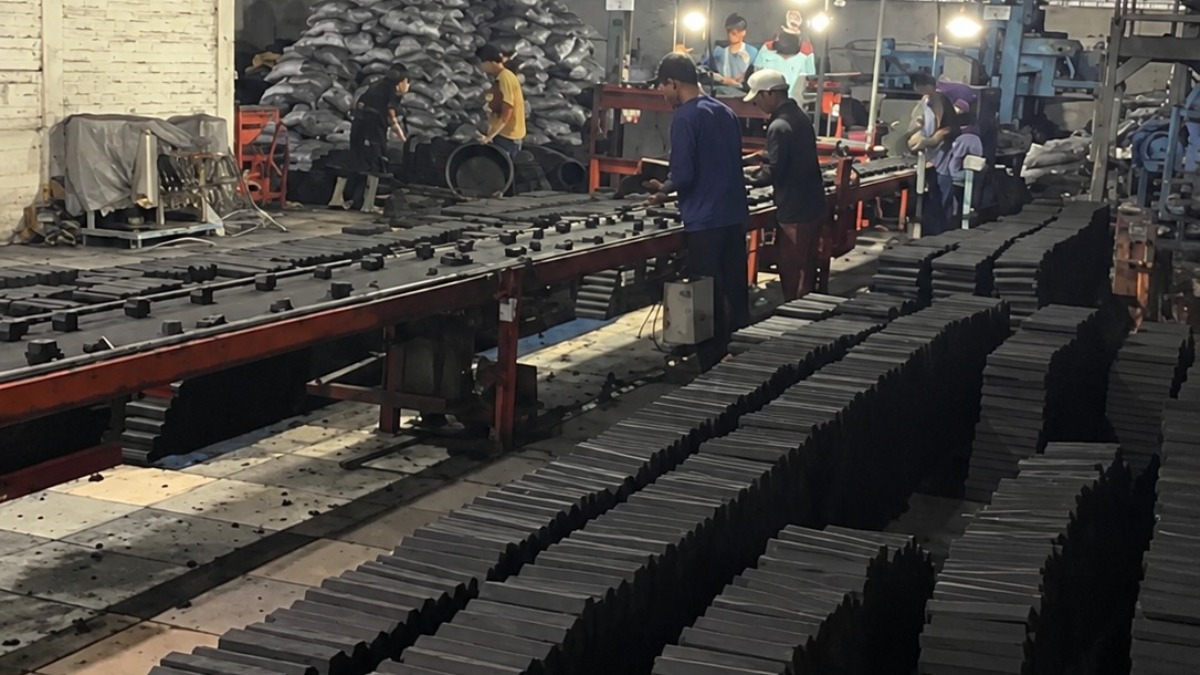
The European BBQ market has a strong demand for high-quality charcoal products. Coconut charcoal briquettes have gained a notable presence in this market, especially in Germany, the Netherlands, and other northern European nations where outdoor grilling is a popular seasonal activity. Consumers in these regions are often willing to invest in products that outperform standard wood charcoal.
For wholesale distributors, the key question is clear: where can they find a reliable, retail-ready coconut charcoal briquette at a price that aligns with European distribution margins? The answer predominantly points to Indonesia. The country's superior raw material quality, large-scale production capabilities, and competitive pricing have established Indonesian suppliers as the main source of coconut BBQ charcoal for European markets.
This guide is intended for European buyers who are considering Indonesian sourcing for the first time or those who want to reassess their existing supply arrangements. It outlines the important specifications, how to assess a supplier, and the typical import process for European distributors.
Why European BBQ Distributors Source Coconut Charcoal from Indonesia
Coconut charcoal briquettes hold a unique spot in the European BBQ market. They are considered superior to standard wood charcoal briquettes due to their enhanced performance, longer burn time, consistent heat output, and reduced ash production. These briquettes are typically sold through premium retail outlets such as supermarkets, garden centers, outdoor and camping stores, and specialized BBQ retailers.
The primary raw material, coconut shell, is not readily available in Europe in significant quantities. Therefore, European distributors aiming to offer a truly coconut-based product must import it from tropical countries, with Indonesia being the leader in production infrastructure, quality consistency, and export capabilities.
Indonesian coconut BBQ charcoal briquettes are made from carbonized coconut shells, which are then compressed with natural binders and dried to meet specific standards. This process results in a dense, uniform briquette that burns longer and more consistently than traditional loose wood charcoal, a quality that European consumers who have tried the product appreciate and actively seek.
For distributors, this raises a supply chain challenge that extends beyond merely finding the lowest price. The product must arrive meeting specifications, in retail-ready packaging, with proper export documentation, and do so reliably and consistently. These requirements significantly narrow down the options available.
Specifications European Buyers Typically Require for BBQ Charcoal
The specifications for BBQ charcoal briquettes differ significantly from those of shisha charcoal in several key aspects. BBQ grilling typically requires higher temperatures, longer cooking times, and distinct expectations from users. The charcoal must ignite easily, maintain heat throughout the cooking process, and produce manageable ash.
Moisture Content
Moisture content plays a crucial role in how easily the charcoal lights and its initial burn characteristics. For BBQ coconut charcoal briquettes, a moisture content of 6–8% is standard for export-grade products. If the moisture level is too high, it can make the briquettes difficult to ignite and lead to excessive initial smoke, which can negatively impact a consumer's first experience and influence their decision to repurchase.
CocoCharcoal Universal BBQ charcoal briquettes are designed to have a moisture content of 6–8%.
Ash Content
While ash content is less critical for BBQ than for shisha charcoal, it still holds importance. If ash builds up too quickly, it necessitates more frequent grill management, and a very high ash content can suffocate the coals. For quality coconut BBQ charcoal briquettes, an ash content of 3–5% is considered standard.
CocoCharcoal Universal BBQ charcoal briquettes specify an ash content of 3–5%.
Fixed Carbon
Fixed carbon is a key factor in determining the energy content of the charcoal, which directly influences burn time and heat output. For BBQ purposes, a fixed carbon content of 70–80% is ideal. Generally, a higher fixed carbon percentage within this range indicates a longer burn time, which is appealing to retail buyers in markets that emphasize "hours of grilling" as a selling point.
CocoCharcoal Universal BBQ charcoal briquettes are specified to contain 70–80% fixed carbon.
Calorific Value
Calorific value, often referred to as heating value, represents the total heat energy released when a substance is burned. For BBQ charcoal briquettes, a calorific value between 7,000 and 7,700 kcal/kg is linked to excellent cooking performance. This specification is particularly important for some European buyers who are focused on creating a premium product.
CocoCharcoal Universal BBQ charcoal briquettes are rated at around 7,000 to 7,700 kcal/kg in calorific value.
Shape and Size
BBQ coconut charcoal briquettes are generally made in a pillow or cushion shape, which is the standard design for compressed charcoal briquettes sold in European markets. The size of the briquettes influences how they are packaged for retail and their performance on standard grills. It's essential to confirm the specific dimensions you require with your supplier and ensure that the size remains consistent across different production batches, as variations in briquette size can lead to issues with retail packaging.
How Indonesian Coconut BBQ Briquettes Compare on Key Performance Dimensions
European distributors assessing coconut charcoal in comparison to other types of charcoal, such as wood charcoal briquettes, lump charcoal, or extruded charcoal, usually focus on the following factors:
| Dimension | Coconut Charcoal Briquettes | Standard Wood Briquettes |
| Burn consistency | High - uniform density produces even heat | Variable - density variation affects burn evenness |
| Burn duration | Longer - higher fixed carbon | Shorter at equivalent weight |
| Ash production | Lower | Higher |
| Lightability | Requires more time than quick-light products | Similar - depends on moisture content |
| Odor during combustion | Neutral - no synthetic additives in natural product | Variable - depends on binders used |
| Raw material | Coconut shell (natural waste material) | Wood (origin and processing vary) |
The comparison provided above highlights the general traits of each type of charcoal, but it does not stem from specific testing of competitor products. It's important to note that individual products may differ.
This comparison is particularly useful for distributors who are crafting a product positioning strategy for their retail buyers and end consumers. Grasping the reasons behind your product's performance enhances the credibility of sales discussions with retail buyers.
Packaging Configurations for European Retail and Wholesale Distribution
Packaging plays a crucial role for BBQ charcoal distributors in Europe. The way products are packaged, including their appearance on supermarket shelves or in garden center displays, significantly influences consumer buying choices and impacts the profit margins of your distribution business.
Retail Consumer Packaging
In Europe, BBQ charcoal is usually packaged in paper or cardboard bags that weigh between 2.5 kg and 10 kg. The common format is a sack-style bag equipped with a carry handle, which is widely accepted across various retail channels in Europe. The specific weight format you choose will depend on the conventions of the country and the retail channel you are aiming for.
If you're planning to sell under your own brand, it's essential to have a conversation with your supplier about custom packaging. When opting for custom packaging, make sure to confirm the following details:
- The size and weight of the bag
- Printing requirements (including language and any regulatory labeling needed for your market)
- The lead time needed for producing the custom packaging
- Any minimum order quantities for the custom packaging
On the other hand, if you're using the supplier's standard packaging or a private-label option, ensure that the packaging format and labeling align with the expectations of your retail buyers and adhere to the relevant labeling standards in your market.
Keep in mind that specific labeling requirements for packaging can differ across European markets and product categories. It's a good idea to check with your compliance team or retail buyer to verify the necessary packaging specifications before finalizing anything with your supplier.
Wholesale Bulk Packaging
If you're a buyer looking to repackage the product under your own brand at the destination, consider using bulk packaging options like large woven bags or master cartons. This can help lower your unit packaging costs. Be sure to check with your supplier to see if they offer bulk packaging and what configurations are available.
Master Carton and Container Configuration
When it comes to shipping BBQ charcoal briquettes in retail packaging, they are usually packed into master cartons and then either loaded directly onto the floor of the container or placed on pallets. Most European distributors favor palletized loading since it enables easy unloading with a forklift at the warehouse, which is a common practice in European logistics.
Before loading the container, make sure to verify the pallet configuration, the number of master cartons per pallet, the dimensions of the pallets, and whether the supplier utilizes Euro pallets, which are the standard size for operations in European warehouses.
Import Logistics: Indonesia to European Ports
Indonesian BBQ charcoal exports to Europe are transported via ocean freight, usually arriving at significant container ports in northern Europe. The primary entry points for distribution across Europe include:
| Port | Country | Notes |
| Port of Rotterdam | Netherlands | Largest container port in Europe; major hub for northern European distribution |
| Port of Hamburg | Germany | Primary entry point for German market distribution |
| Port of Antwerp-Bruges | Belgium | Major hub serving Belgium, Netherlands, and central Europe |
Choosing the right entry port hinges on the location of your distribution operation and your strategy for handling inland transport post-customs clearance. If you're a distributor based in Germany, Hamburg is typically the most straightforward choice. On the other hand, for those catering to various northern European markets, Rotterdam provides a logistics infrastructure that allows for greater flexibility.
Keep in mind that ocean freight transit times from Indonesian ports to European destinations can differ based on the carrier, routing, and the time of year. It's essential to check with your freight forwarder for the latest schedules and transit estimates before organizing your inventory.
Evaluating a Supplier: What to Request Before a First Order
Before you place your first order with an Indonesian BBQ charcoal supplier, it's important to thoroughly evaluate their specifications, documentation, and operational capabilities. Here’s a practical checklist to guide you:
Specification verification:
- Request a product specification sheet that includes all key parameters such as moisture content, ash percentage, fixed carbon, calorific value, and dimensions.
- Ask for a certificate of analysis from an independent testing laboratory to confirm the specifications provided.
- Request physical samples for testing before you commit to a bulk order.
Documentation capability:
- Ensure the supplier can provide all necessary export documentation, including a commercial invoice, packing list, bill of lading, and certificate of origin.
- Verify the format and issuing authority for the certificate of origin, as some European buyers have specific requirements.
- Inquire whether the supplier has experience with the documentation requirements for European imports.
Packaging and logistics:
- Confirm the available retail packaging formats and whether they offer custom packaging options.
- Check the container loading configuration, whether it will be floor-loaded or palletized, and the format of the pallets.
- Ask about the measures in place for moisture protection during container transit.
Operational assessment:
- Inquire about the lead time from order confirmation to container loading.
- Ask how the supplier addresses quality discrepancies that may arise upon arrival.
- Evaluate the quality and specificity of their responses to your inquiries, as this can indicate how the relationship will function after you place your order.
Working with CocoCharcoal Universal for European BBQ Distribution
CocoCharcoal Universal offers BBQ coconut charcoal briquettes made from coconut shell charcoal. Here are the verified specifications of our product:
- Moisture content: 6–8%
- Ash content: 3–5%
- Fixed carbon: 70–80%
- Calorific value: Approximately 7,000–7,700 kcal/kg
We assist buyers throughout the entire inquiry and ordering process, starting from the initial discussion of specifications and sample coordination to handling export documentation.
Feel free to check out our complete BBQ charcoal product specifications.
If you're considering sourcing Indonesian BBQ charcoal for your distribution business in Europe, we invite you to reach out with your specifications.
Conclusion
European BBQ distributors sourcing coconut charcoal briquettes from Indonesia are part of a well-established supply chain. This product aligns well with European consumers' desire for high-quality BBQ performance, and Indonesian suppliers with genuine export capabilities can provide it according to specifications, in large quantities, and with the necessary documentation for European import clearance.
The evaluation process is straightforward, but it’s essential to ask the right questions regarding specifications, packaging, and documentation before entering into a supply relationship. The checklist included in this guide offers a practical starting point.
A supplier who answers these questions thoroughly and specifically is showing the export capability that your distribution business requires. Conversely, a supplier who does not respond adequately is also providing you with valuable information.
Are you assessing Indonesian BBQ charcoal sourcing for your European distribution business? Request our product specification sheet, and our team will get back to you with the relevant details.
Other Article
 Education
 Tips & Tricks
 Global Trading
 Global Trading
 Global Trading